
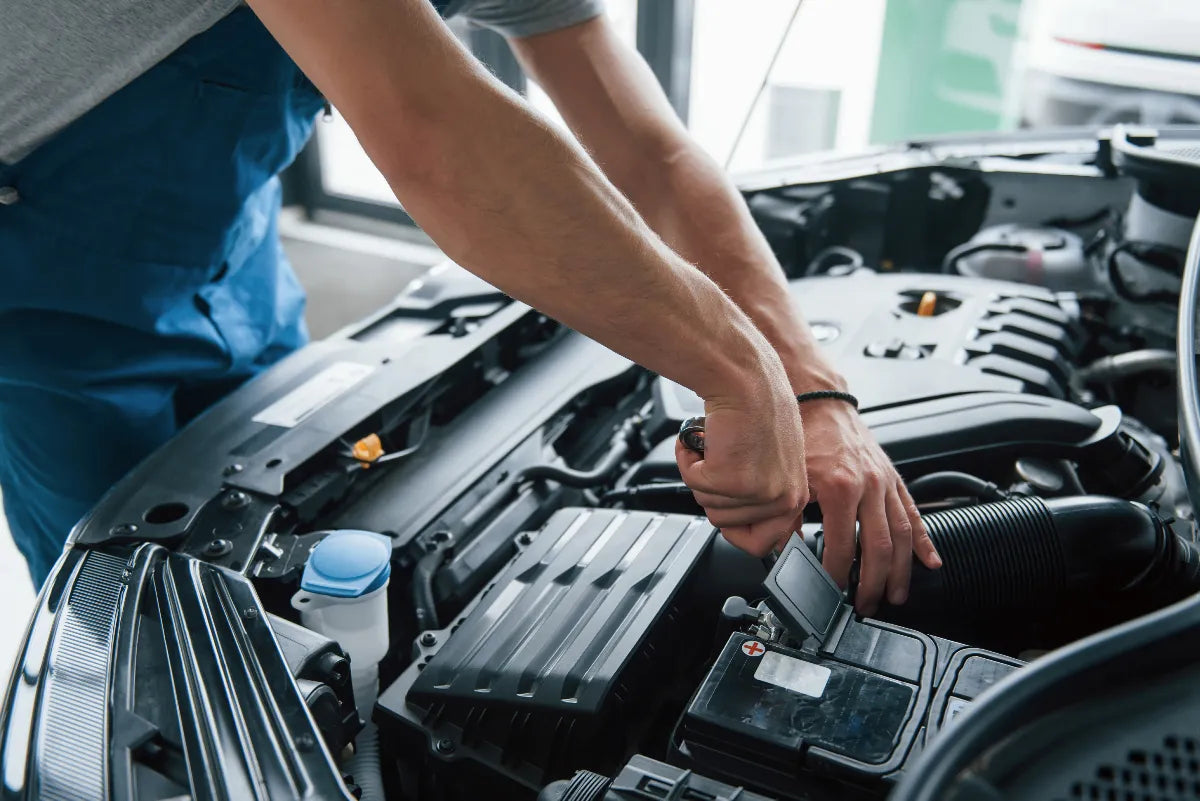
Why Proper Car Battery Installation Matters
Replacing a car battery may seem straightforward, but choosing the right battery and installing it correctly can make a significant difference to how reliably your vehicle starts and performs.
A car battery supplies the power needed to start your engine and supports many of the electrical systems throughout your vehicle. An incorrectly fitted battery can lead to loose connections, starting problems, electrical faults or damage to the battery itself. Modern vehicles can make the process even more complex, particularly those equipped with stop-start technology, smart charging systems or battery management systems.
Whether you are considering replacing the battery yourself or arranging professional car battery installation, understanding what is involved can help you make the right decision for your vehicle.
The Importance of Correct Battery Installation
A new battery needs more than the correct voltage and enough power to start your vehicle. It also needs to be compatible with the vehicle, positioned correctly, securely mounted and connected properly.
Poor installation can create problems immediately or contribute to issues that become more noticeable over time.
Reliable Starting & Electrical Performance
Your car battery needs secure electrical connections to reliably deliver power to the starter motor and other vehicle systems.
Loose, dirty or incorrectly fitted terminals can interfere with the electrical connection between the battery and the vehicle. This may contribute to problems such as slow starting, intermittent electrical faults or a vehicle that fails to start at all.
Correct installation helps ensure the battery can deliver power as intended from the moment it is fitted.
Protecting Your Battery From Premature Damage
A car battery should be firmly secured within its battery tray using the appropriate hold-down system.
If a battery is able to move while the vehicle is being driven, vibration can place unnecessary stress on the battery, terminals and surrounding components. Incorrectly tightening battery fittings can also cause damage, particularly if terminals or hold-down components are overtightened.
Professional installation helps make sure the battery is correctly positioned and secured for the vehicle.
Protecting Modern Vehicle Electronics
Battery replacement has become more complicated as vehicles have added increasingly sophisticated electrical systems.
Many newer vehicles feature stop-start technology, smart alternators or battery management systems that monitor battery performance and charging. Depending on the make and model, replacing a battery may involve vehicle-specific procedures, system resets or registering the new battery with the vehicle.
Using an unsuitable battery type or fitting one incorrectly can therefore affect more than starting performance. It may also interfere with the way the vehicle manages its electrical and charging systems.
How To Install A Car Battery Properly
The exact process for how to install a car battery can vary depending on the vehicle. Battery locations, mounting systems and electronic requirements differ between makes and models, so always follow the vehicle manufacturer's instructions.
For many conventional vehicles, the general process involves the following steps.
1. Make Sure You Have The Right Battery
Before removing your existing battery, make sure the replacement is compatible with your vehicle.
Car batteries can differ in physical size, terminal layout, capacity and battery technology. Some vehicles may use a conventional lead-acid battery, while vehicles with stop-start systems may require an EFB or AGM battery.
If you are wondering what battery fits your car, check the vehicle manufacturer's specifications or use a vehicle-specific battery finder before purchasing.
Installing the wrong battery can result in poor fitment, inadequate starting performance or incompatibility with the vehicle's charging system.
2. Prepare The Vehicle For Battery Replacement
Before beginning, switch off the engine and all electrical accessories. The vehicle should be safely parked with the ignition completely off.
Depending on the vehicle, additional precautions may be required before disconnecting the battery. Some vehicles can lose saved settings or require specific procedures to protect onboard electronics.
Car batteries also contain significant electrical energy, so appropriate care should always be taken around terminals and battery connections.
3. Disconnect And Remove The Old Battery
For a conventional battery replacement, the negative terminal is generally disconnected before the positive terminal.
Once the cables have been removed, the battery hold-down or mounting bracket can be released. The old battery can then be lifted carefully from the vehicle.
Car batteries can be heavy, so correct lifting technique is important. Take care not to damage nearby wiring, terminals or components during removal.
Before installing the replacement battery, inspect the battery tray and terminal connections for corrosion, dirt or damage. Any corrosion should be cleaned from the battery tray and terminals using a wire brush and a mixture of baking soda and water. Make sure the area is clean and dry before installing the new battery.
4. Install And Secure The New Battery
Once the battery tray and connections are clean, the replacement battery should be positioned correctly within the tray and match the orientation of the original battery.
Secure the battery using the vehicle's hold-down system. The battery should be firmly held in place without overtightening fittings or placing excessive pressure on the casing.
Before reconnecting the terminals, check that the battery is stable and that the cables can reach the correct terminals without being stretched or placed under unnecessary tension.
5. Reconnect The Battery And Check The Vehicle
The positive terminal is generally reconnected first, followed by the negative terminal.
Connections should be secure without being overtightened. Once installation is complete, the vehicle can be checked to confirm that it starts correctly and that the electrical systems are operating as expected.
Depending on the vehicle, additional battery registration, electronic resets, or configuration may also be required.
Because installation requirements vary, drivers who are unsure about any stage of the replacement process should consider professional battery installation.
Common Car Battery Installation Mistakes And Their Risks
Even a suitable battery can cause problems when it is not fitted correctly. Some of the most common installation mistakes include:
|
Installation Mistake |
What Can Happen |
|
Choosing the wrong battery |
The battery may not fit correctly or meet the vehicle's electrical and starting requirements. |
|
Connecting terminals incorrectly |
Incorrect polarity can cause electrical damage and may create a safety risk. |
|
Leaving terminal connections loose |
Loose connections can contribute to unreliable starting and intermittent electrical problems. |
|
Failing to secure the battery |
Excessive battery movement can place additional stress on the battery and surrounding components. |
|
Overtightening terminals or fittings |
Excessive force can damage battery terminals, fittings or the battery casing. |
|
Skipping vehicle-specific procedures |
Some modern vehicles may require resets, configuration or battery registration after replacement. |
Correct installation is not only about getting the vehicle started. It is about making sure the battery is suitable, secure and integrated properly with the vehicle.
Can You Install A Car Battery Yourself?
Some drivers with the right knowledge, tools and an appropriate vehicle may be able to replace a car battery themselves.
However, battery installation is not the same for every vehicle. Batteries may be located under the bonnet, inside the boot, beneath seats or in other less accessible areas. Modern electrical systems can also introduce additional requirements beyond simply disconnecting the old battery and connecting a new one.
Professional installation may be worth considering if:
-
You are unsure which battery is compatible with your vehicle.
-
Your vehicle has stop-start technology.
-
The vehicle uses an AGM or EFB battery.
-
The battery is difficult to access.
-
There is significant corrosion around the terminals.
-
You are unsure about safely disconnecting or reconnecting the battery.
-
The vehicle may require battery registration or electronic resets.
When in doubt, professional installation can help reduce the risk of choosing the wrong battery or making an installation mistake.
What Does Professional Car Battery Installation Include?
Professional car battery installation offers more than simply replacing one battery with another.
A battery specialist can help confirm that the replacement battery is suitable for the vehicle before installation begins. The existing battery can then be safely removed before the replacement is positioned, secured and connected correctly.
Depending on the vehicle and service provided, installation may also include checks to make sure the vehicle starts correctly and that the new battery is operating as expected.
This can be particularly valuable for drivers who do not have the equipment, experience or confidence to replace a battery themselves.
It also removes the need to handle a heavy battery or work around electrical components without knowing whether the vehicle has any specific battery replacement requirements.
Car Battery Delivery And Installation Made Simple
When your battery needs replacing, arranging the right battery and getting it fitted should not need to become another job on your list.
Car Battery Pro offers a range of car batteries from trusted brands, including VARTA, Amaron and Panasonic, with batteries available to suit a wide variety of Australian vehicles.
In eligible service areas, you can arrange professional battery installation directly at your home, helping you get your car back on the road without needing to replace the battery yourself.
Outside eligible fitting areas, you can purchase a car battery for delivery, giving more Australian drivers access to suitable replacement batteries.
By investing time in proper installation and ongoing battery maintenance, you'll enjoy reliable vehicle performance and avoid costly electrical repairs. Whether you choose to install your battery yourself or seek professional help, remember that correct installation is the foundation of a healthy automotive electrical system.

